

EPA certified lead remediation is the cleanup, recovery, and proper disposal of lead from an indoor shooting range by staff trained to EPA and OSHA standards. Every shot leaves lead dust, jacket fragments, and bullet debris behind. Without professional removal, that material builds up and puts staff and shooters at risk. This guide explains what the work involves, how to evaluate a provider, and how to plan a project.
Quick answer: A qualified range remediation provider cleans surfaces with HEPA vacuums, processes or empties traps, recycles recovered lead, and disposes of hazardous waste properly. Ask for proof of training, a clear waste process, and air monitoring to confirm results.
What Is EPA Certified Lead Remediation for a Shooting Range?
It is lead cleanup done under federal safety and environmental standards. The U.S. Environmental Protection Agency regulates how lead waste is handled, while OSHA sets worker protection rules. Together they shape how a compliant contractor works.
On an indoor range, the job goes beyond sweeping. It includes cleaning the shooting area, servicing the trap, handling the backstop material, and removing hazardous waste. For a deeper look, see this complete guide to indoor shooting range lead remediation.
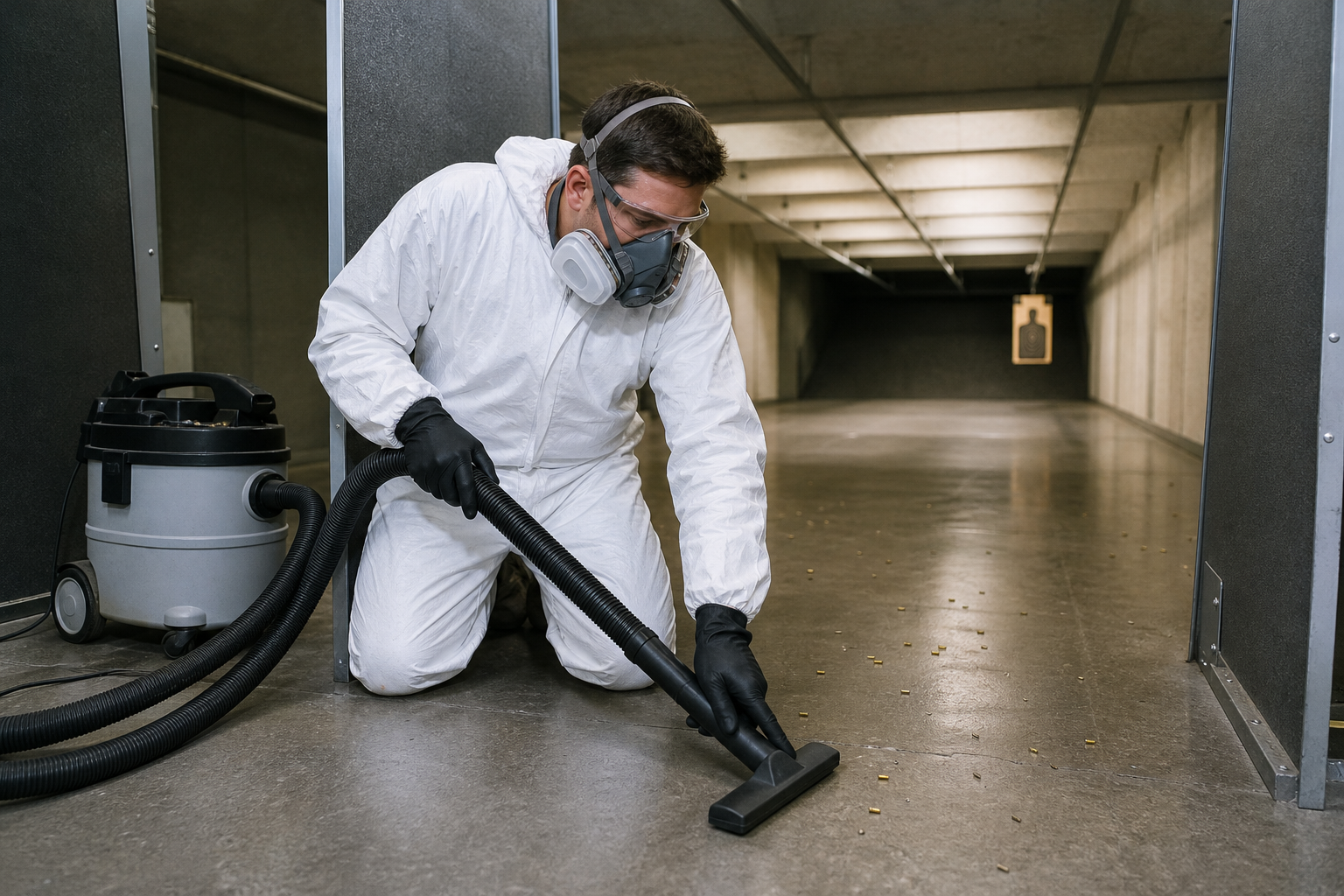
A technician uses HEPA vacuum cleaning during EPA certified lead remediation on an indoor range.
Why Indoor Ranges Need Professional Lead Cleanup
Lead dust is a known health hazard. The EPA’s lead resources explain that lead exposure can harm the nervous system, and children and pregnant women are especially vulnerable. Range workers can also carry dust home on clothing.
In addition, buildup affects operations. Excess dust, trapped fragments, and worn backstops can increase ricochet and degrade air quality. Therefore, regular remediation protects people and keeps the range running well.
What Does Lead Contamination Removal Cover?
A full project typically addresses several areas of the range. The scope depends on your trap type and how heavily the range is used.
- Floors, walls, baffles, traps, and shooters’ booths
- HEPA vacuum cleaning of the range and shooting area
- Target track cleaning
- HEPA filter, filter bag, and pre-filter replacement
- Rubber berm processing or steel trap emptying
- Air monitoring and exposure testing
To see how each service works in practice, read lead contamination removal range services explained.
Rubber Berm Processing vs. Standard Cleaning
A rubber berm is a backstop made of granulated rubber that catches bullets. Over time, it fills with lead, dust, and jacket fragments. Some contractors remove bullets and return most of the remaining material untreated.
Wynant Range Consulting (WRC) takes a different approach. Its patented machine processes the rubber, separating usable rubber from lead, dust, and other contaminants. Clean rubber goes back to the range, and hazardous material is removed for recycling and disposal. You can learn more on the rubber range cleaning page.
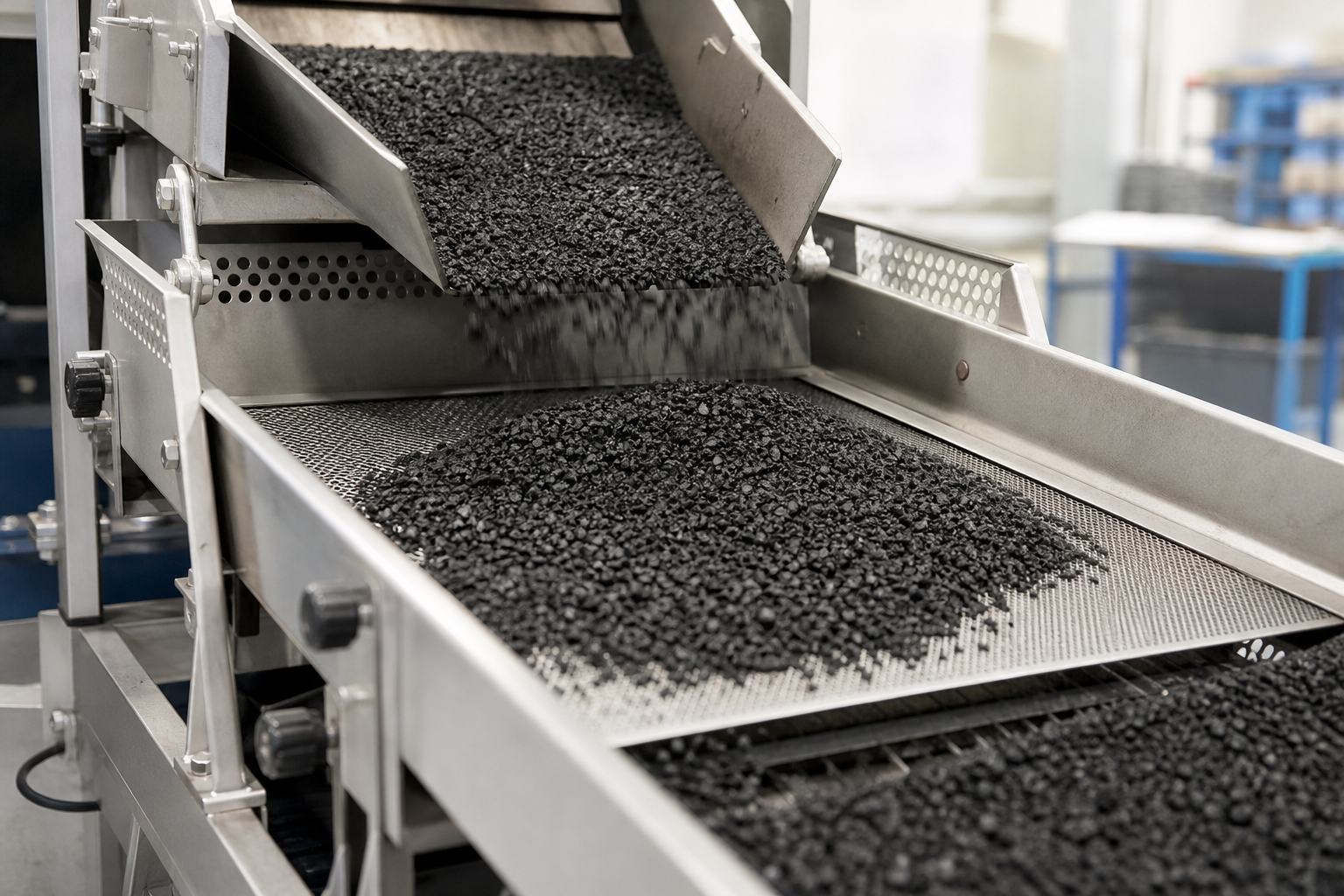
Processing separates reusable rubber from lead and fine contaminants.
Lead Recycling, Reclamation, and Soil Remediation
Recovered lead does not have to become waste. Lead recycling and indoor lead mining pull accumulated lead out of backstops and traps so it can be reclaimed. Hazardous material that cannot be recycled is removed for disposal.
Soil remediation applies when lead has reached surrounding ground. For range-specific detail, review these lead reclamation services for indoor shooting ranges.
Steel Trap Maintenance and Filter Care
Steel trap systems need routine upkeep. Technicians check oil concentration and empty the bullet trap and front trough. Consequently, the trap keeps performing as designed.
Filtration matters just as much. Pre-filters, filter bags, and HEPA filters capture airborne lead, so replacement intervals depend on range use and manufacturer guidance. Air monitoring helps confirm that the system is working.
How to Choose a Certified Lead Remediation Provider
Credentials alone are not enough. Use the table below to compare providers on the points that affect your range.
| Question to ask | Why it matters |
|---|---|
| Is staff trained to OSHA and EPA standards? | Confirms safe handling of lead |
| What happens to recovered lead? | Shows recycling and disposal practice |
| Do you process the rubber or return it untreated? | Affects how much lead stays in the berm |
| Do you offer air monitoring? | Verifies results with measurements |
Wynant Range Consulting serves indoor rifle, pistol, and shotgun ranges across the Midwest and East Coast. Its clients include commercial ranges, law enforcement facilities, military ranges, and private training centers. The team states it has over 75 years of combined experience and staff trained and certified to OSHA and EPA standards. Visit the WRC website to review its services.
Steps to Plan Your Lead Remediation Project
- Assess your range. Note your trap type, usage level, and last cleaning date.
- Verify credentials. Ask for proof of OSHA and EPA training and a clear waste process.
- Baseline testing. Arrange air monitoring and exposure testing before work starts.
- Schedule the cleaning. Plan a closure window for surfaces, traps, and backstop processing.
- Maintain results. Set routines for filters, trap upkeep, and an updated lead exposure safety plan.
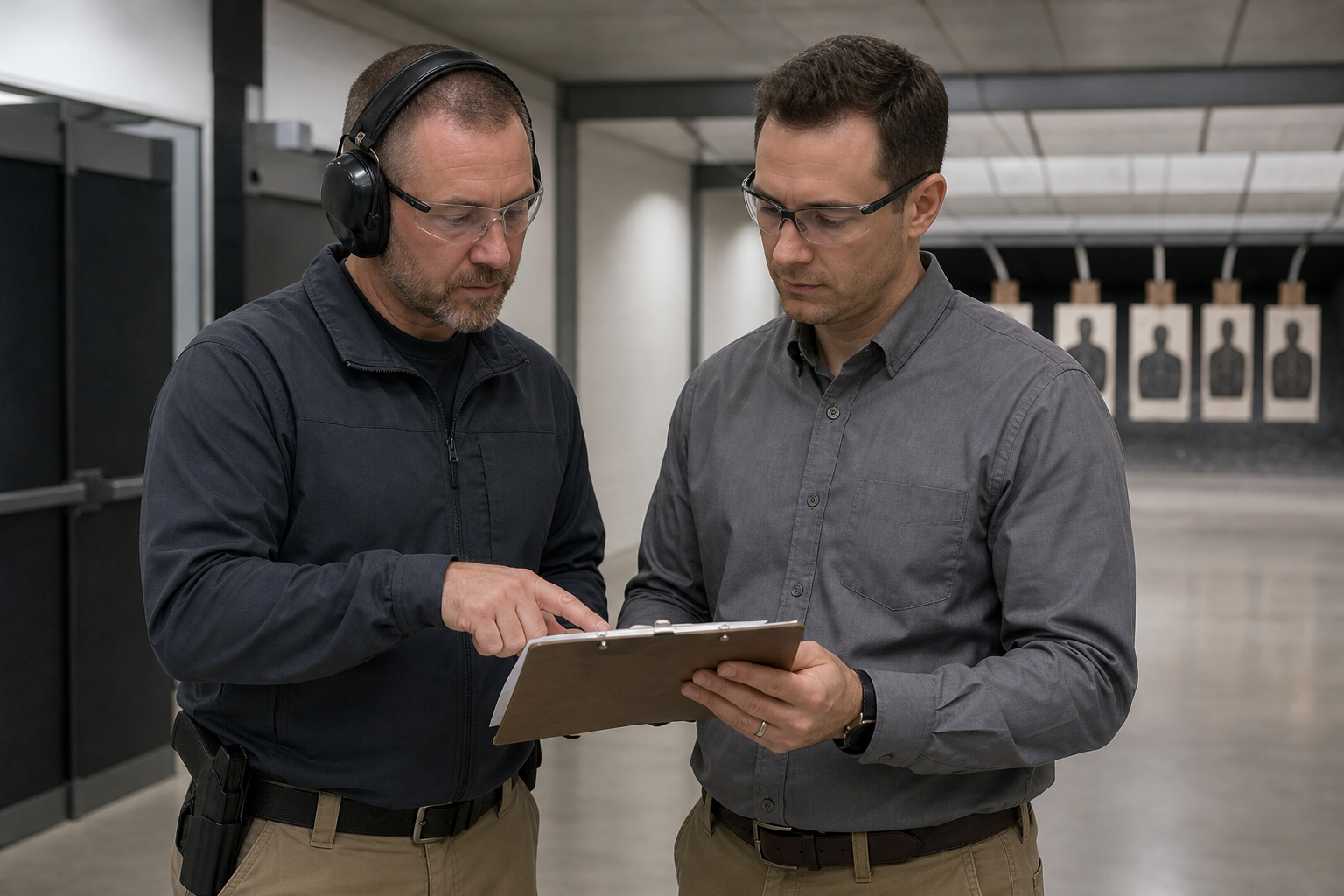
Reviewing a lead exposure safety plan helps keep range employees protected between cleanings.
Frequently Asked Questions
What does EPA certified lead remediation mean?
It means lead cleanup performed by trained staff who follow EPA and OSHA standards for handling, containing, and disposing of lead. For a range, it covers cleaning surfaces, processing backstop material, and managing hazardous waste.
Why do indoor ranges need lead remediation?
Firing releases lead dust and bullet fragments that settle on floors, walls, baffles, and traps. Remediation lowers exposure risk for staff and shooters and keeps the range operating safely.
How is rubber berm cleaning different from simply removing lead?
Rubber berm cleaning processes the granulated rubber to separate usable rubber from lead, dust, and jacket fragments. Clean rubber returns to the range, and only the contaminants are removed.
Is the cleaned rubber reused in the trap?
Yes. After processing, clean rubber goes back into the range backstop. The hazardous material is removed for recycling and disposal.
How are lead and hazardous materials disposed of?
Recovered lead is sent for recycling, and other hazardous material is removed for proper disposal. Handling must follow EPA rules and any state requirements.
What does steel trap maintenance include?
It includes checking oil concentration and emptying the bullet trap and front trough. Regular upkeep helps the trap perform as designed.
How often should HEPA filters be replaced?
The interval depends on range use, filter type, and manufacturer guidance. Air monitoring and pressure readings help show when pre-filters, filter bags, and HEPA filters need changing.
Do you provide air monitoring and exposure testing?
Yes. Wynant Range Consulting offers air monitoring, exposure testing, and lead exposure safety plans for employees.
What is indoor lead mining?
Indoor lead mining is the recovery of accumulated lead from range backstops and traps so it can be recycled. It turns a waste stream into reclaimed material.
Which areas does Wynant Range Consulting serve?
The company serves indoor rifle, pistol, and shotgun ranges across the Midwest and East Coast.
What types of facilities need this service?
Commercial ranges, law enforcement facilities, military ranges, and private training centers all use it. Any indoor range with a rubber berm or steel trap can benefit.
What mistakes should range owners avoid?
Common mistakes include dry sweeping, using standard vacuums, delaying filter changes, and hiring a provider without verifying credentials. Each can spread lead dust instead of removing it.
How do I schedule a range cleaning?
Call (252) 764-1809 or use the contact form to discuss your range type and needs. Work hours are 9 AM to 5 PM, Monday through Saturday.
Conclusion
Indoor ranges accumulate lead dust and debris with every session, so routine professional cleanup is part of safe operation. EPA certified lead remediation combines trained staff, HEPA cleaning, backstop or trap service, lead recycling, and air monitoring to verify results. Choose a provider on credentials, waste handling, and measurable outcomes. To discuss your range, call Wynant Range Consulting at (252) 764-1809 or use the contact form.
